October 23, 2026
Selecting the right shower door can improve bathroom functionality, enhance visual appeal, and make better use of available space. Custom shower glass offers flexibility in sizing, design, and configuration, allowing homeowners to create an enclosure that complements their bathroom layout. Understanding available styles, glass options, and installation considerations helps ensure the finished space meets practical and aesthetic needs.
Understanding Different Shower Door Styles
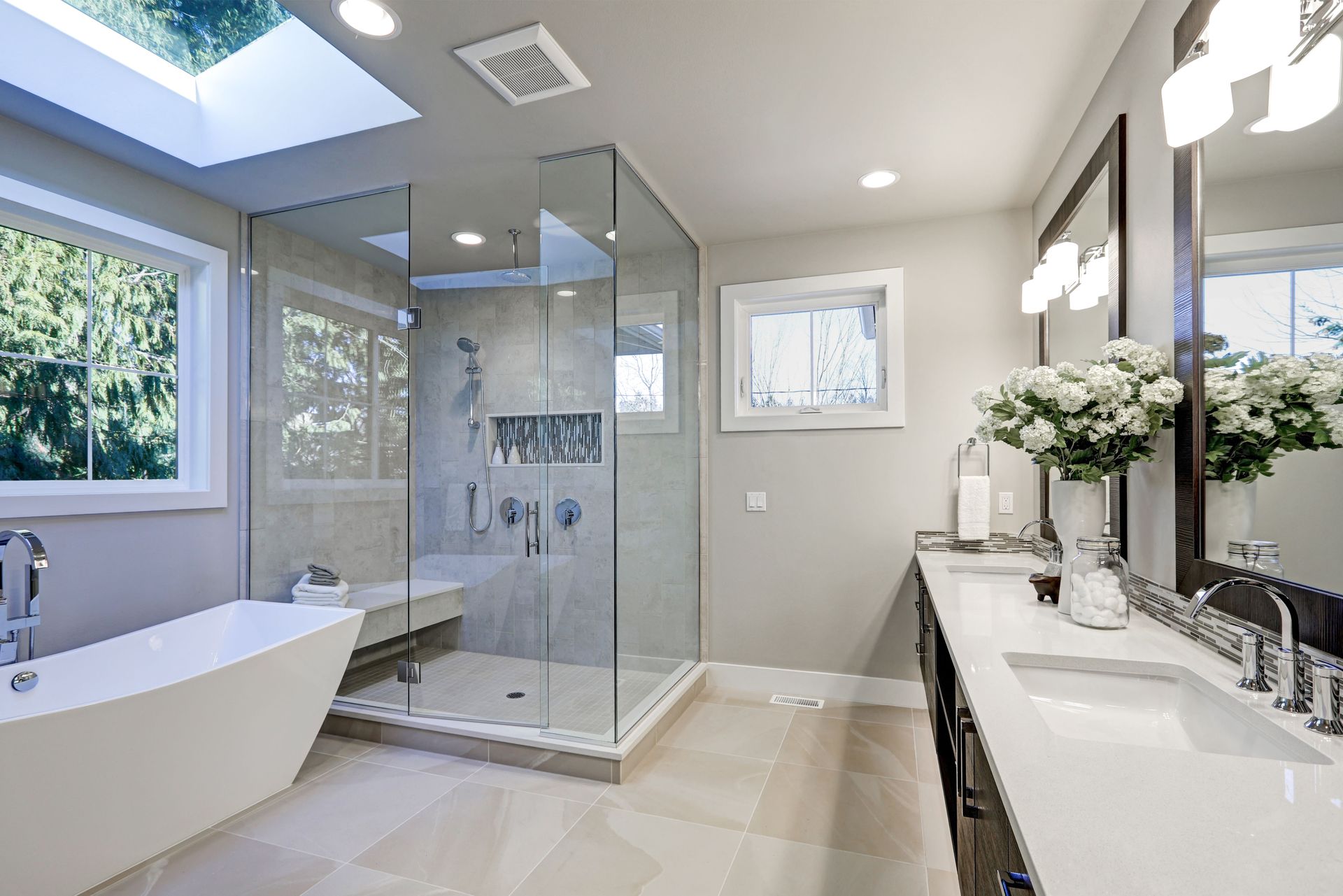
Frameless shower doors create a clean, open appearance that works well in contemporary bathrooms. Constructed from tempered glass and supported by specialized hardware, these doors highlight tilework and fixtures without bulky metal framing. Custom shower glass can accommodate different dimensions and configurations, making frameless designs suitable for unique shower layouts.
Framed shower doors offer a practical alternative for homeowners who prioritize affordability and structural support. Their metal frames accommodate thinner glass panels and provide a traditional appearance that complements many bathroom styles. Semi-frameless doors combine features of both designs, providing additional support while leaving larger portions of the glass unobstructed.
Comparing Hinged and Sliding Doors
Hinged shower doors swing open to provide convenient access to the enclosure. They work particularly well in bathrooms with sufficient clearance between the shower entrance and nearby fixtures. According to Houzz, 38% of renovation projects used hinged glass shower doors, while 20% used sliding doors, demonstrating the popularity of both configurations.
Sliding shower doors move along tracks rather than swinging into the bathroom. This arrangement is useful in smaller spaces where a door could interfere with a vanity, toilet, or walkway. Custom shower glass can accommodate sliding configurations while maintaining a coordinated appearance with surrounding fixtures.
The best configuration depends on bathroom dimensions, traffic patterns, and accessibility requirements. Hinged doors can provide a wider opening, while sliding designs help preserve usable floor space. A professional assessment can help determine which option best suits the room and supports comfortable daily use.
Evaluating Bathroom Layout and Dimensions
Available space is one of the most important factors when choosing a shower enclosure. The door must operate comfortably without obstructing nearby fixtures or walkways. Custom shower glass provides flexibility for bathrooms with unusual dimensions, allowing the enclosure to fit the existing layout more precisely.
The position of the shower, vanity, toilet, and towel storage also influences door selection. A swinging door may be impractical when another fixture sits directly in its path, while a sliding enclosure can reduce interference. Shower shape matters, too, because corner showers and angled layouts may require specialized measurements and glass panels.
Selecting Glass Types and Thicknesses
Clear glass remains popular because it allows light to travel throughout the bathroom and keeps decorative tilework visible. Its transparency can make a compact room appear more spacious, particularly when paired with simple hardware and coordinated finishes. Low-iron glass provides greater clarity by reducing the green tint sometimes visible along standard glass edges.
Frosted and textured glass provide additional privacy while introducing visual interest. Frosted surfaces soften visibility, while patterned finishes create distinctive design details. The appropriate choice depends on the desired balance between privacy, light transmission, and the bathroom's overall style.
Glass thickness affects an enclosure's weight, stability, and hardware requirements. Thicker panels are commonly associated with frameless designs, while framed configurations may accommodate thinner glass because the surrounding structure provides additional support. A qualified glass professional can recommend appropriate specifications based on the design, expected use, and applicable safety requirements.
Coordinating Hardware and Finishes
Shower door hardware contributes to both appearance and everyday functionality. Handles, hinges, brackets, and other fittings are available in finishes such as chrome, brushed nickel, matte black, and brass. Coordinating these elements with faucets, cabinet pulls, and lighting creates a consistent bathroom design.
Hardware must also be compatible with the weight and configuration of the glass panels. Properly selected mounting components support reliable operation and contribute to the enclosure's stability. Custom shower glass allows homeowners to coordinate panel dimensions, door styles, and finishes around their preferred aesthetic.
Considering Accessibility and Everyday Use
Accessibility should be part of the selection process, especially when household mobility needs may change over time. Wider entrances, easy-to-operate handles, and appropriately designed thresholds can make a shower more convenient for different users. The enclosure should provide sufficient clearance for safe entry and movement.
Sliding doors can be useful where limited floor space makes swinging doors difficult to operate. However, opening width and track design should be evaluated to ensure they meet household needs. Depending on the layout, a hinged enclosure with a wider opening may be more appropriate.
Safety also depends on glass quality, suitable hardware, and accurate installation. Tempered safety glass is commonly used for shower enclosures because it is designed to break into smaller pieces rather than large, sharp shards. Professional installation helps ensure that panels are properly supported and aligned.
Understanding Maintenance and Durability
Different shower door styles have different maintenance requirements. Frameless enclosures generally have fewer metal tracks and frame joints where soap residue and moisture can accumulate, although the glass still requires regular cleaning. Protective coatings may help reduce water spots and mineral deposits.
Framed and sliding doors often include tracks or seals that require additional attention. Keeping these areas clean helps preserve smooth operation and limits residue buildup. Selecting quality materials and compatible hardware can also support long-term performance in humid bathroom environments.
Planning the Installation
Accurate measurements are essential for a properly fitted shower enclosure. Wall alignment, opening dimensions, curb conditions, and mounting points can all affect the final design. Custom shower glass is especially useful when standard panels cannot accommodate the bathroom's measurements or architectural features.
Installation requires suitable mounting surfaces and compatible hardware. Glass panels can be heavy, and improper support or alignment may compromise stability and operation. An experienced installer can address these technical considerations and ensure the enclosure meets applicable safety requirements.
Custom panels may require fabrication after final measurements are confirmed, so installation timelines depend on the enclosure's complexity and the availability of materials. Coordinating glass installation with other renovation work can help prevent scheduling conflicts and ensure the enclosure fits seamlessly with the completed bathroom.
Choosing a Design That Complements Your Bathroom
A shower enclosure should complement the bathroom's existing finishes, proportions, and design. Frameless glass often suits minimalist spaces, while framed and semi-frameless options can complement traditional interiors. The right combination of glass, hardware, and door configuration helps the shower feel integrated with the rest of the room.
Lighting also influences the final appearance. Transparent panels keep decorative tile and fixtures visible, while frosted or textured glass can introduce privacy. Choosing finishes that complement the room's colors and materials creates a balanced design that remains attractive over time.
Choosing a shower door involves balancing available space, accessibility, durability, maintenance, and personal style. Hinged and sliding configurations each offer advantages, while different glass types and hardware finishes provide opportunities to personalize the bathroom. Careful planning and professional installation help ensure the enclosure fits the space and performs reliably.
Aquia Glass & Mirror can help homeowners explore custom shower glass options that complement their bathroom layouts and design preferences. From selecting glass styles to evaluating measurements, hardware, and door configurations, professional guidance can simplify the renovation process. Contact Aquia Glass & Mirror to discuss your project and find a shower glass solution tailored to your space. A carefully selected enclosure can also enhance the bathroom's overall appearance while providing lasting functionality and value.